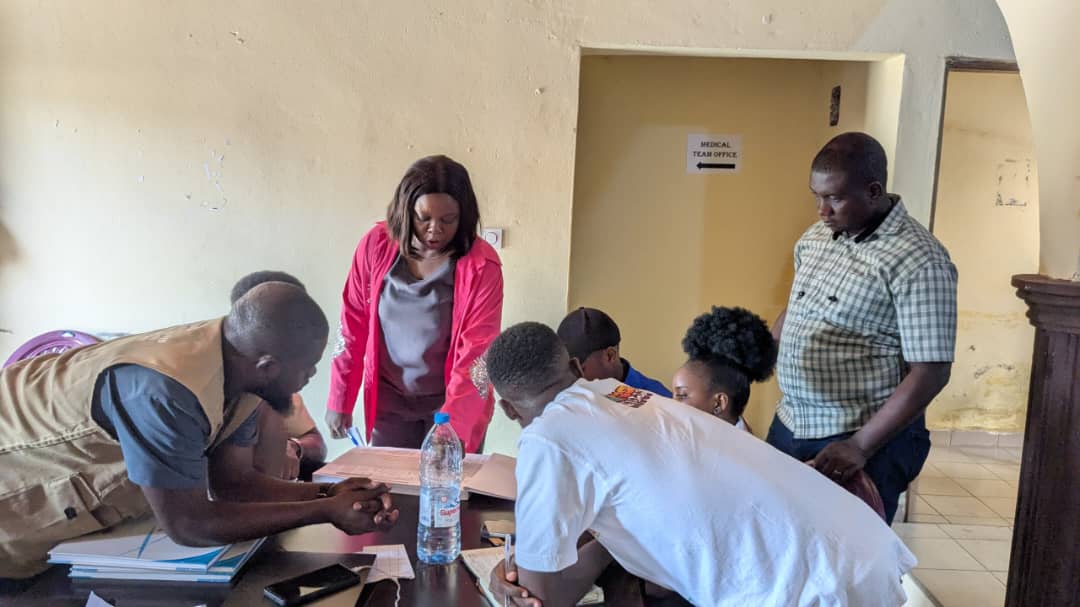
Differentiated service delivery is transforming how communities access HIV and other essential health services, and HUMFRIEH is investing in this approach to make care more human, flexible, and effective
Training context at HUMFRIEH
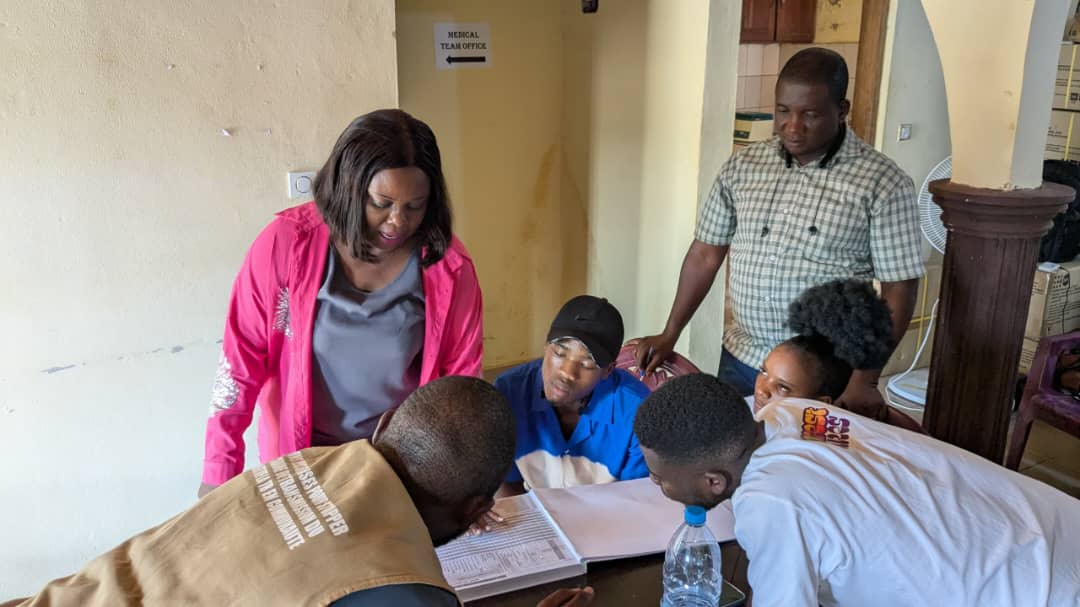
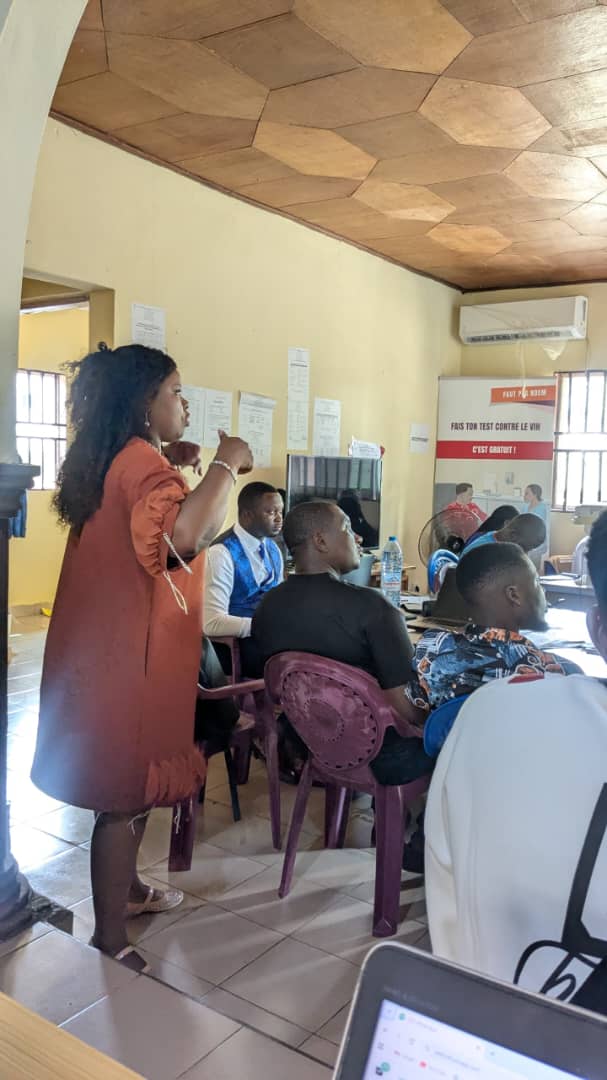
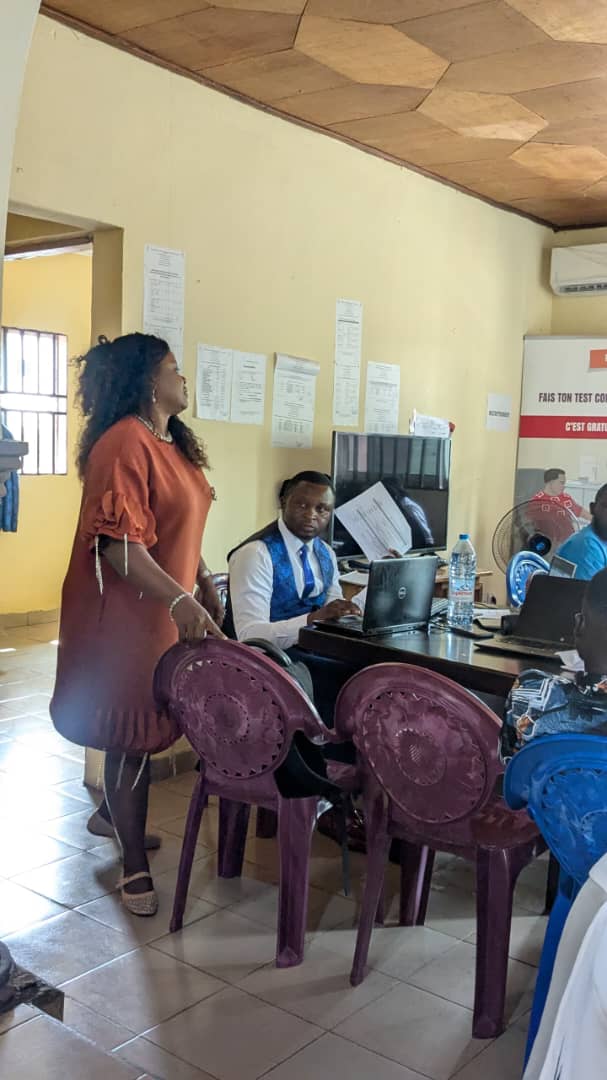
From 18–20 December 2025, HUMFRIEH’s CEO and RTG’s Coordinator served as facilitators at the Icodesse Drop-in Center (DIC) for a three-day differentiated service delivery training, organized by MINSANTE in partnership with Care Cameroon. The workshop brought together Icodesse DIC staff and selected community-based organizations (CBOs) to prepare them to launch and manage differentiated models of care within their own community-based organizations (OBCs) under RTG South West supervision.
This initiative aligns with Cameroon’s national HIV guidelines, which promote differentiated HIV services, including multi-month antiretroviral therapy (ART) refills and community ART distribution points for stable clients. By equipping front-line staff and peer educators with practical DSD skills, HUMFRIEH supports government and partners to close gaps in access, continuity, and quality of care for key and vulnerable populations.
What differentiated service delivery means
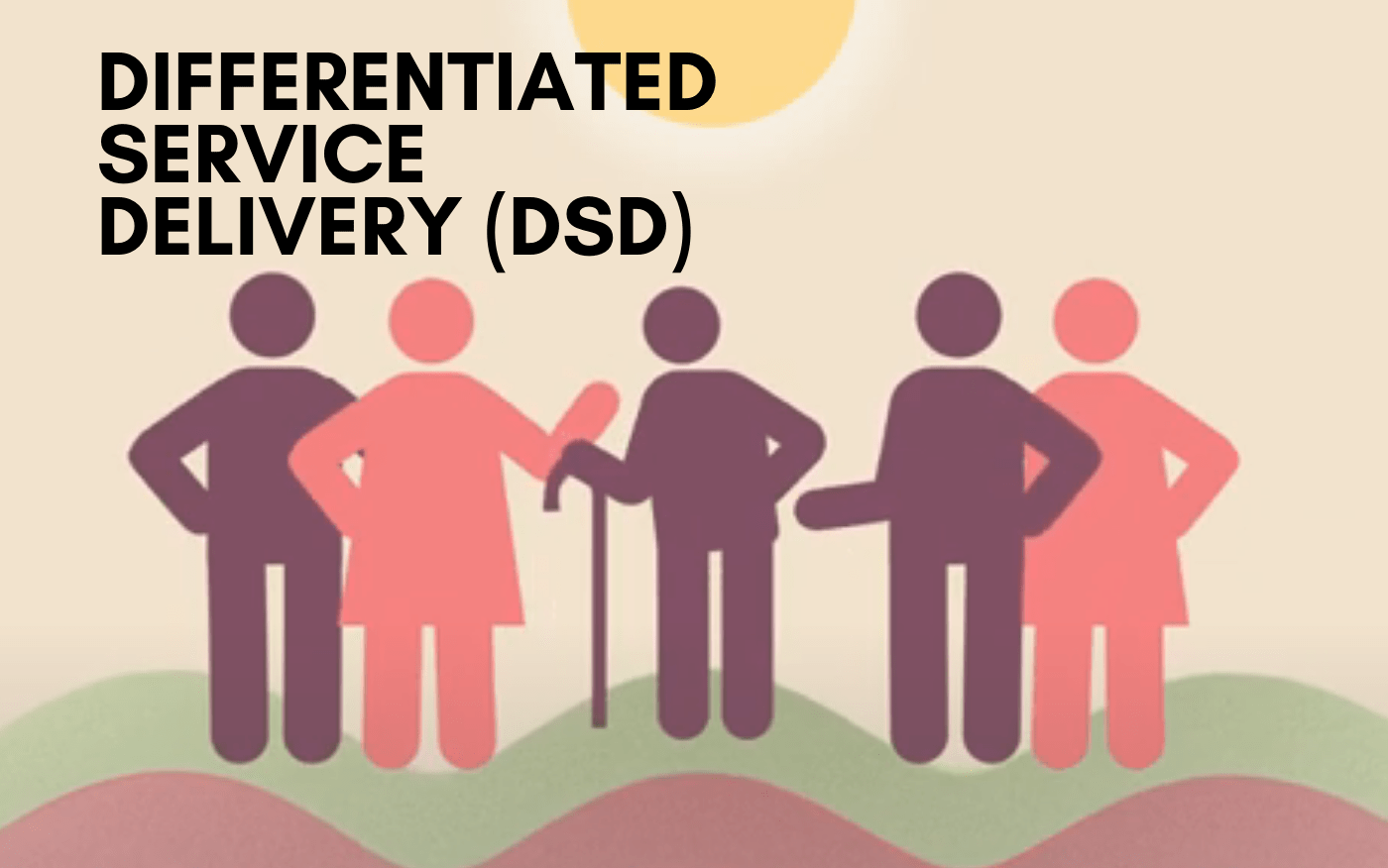
Differentiated service delivery (DSD) is a client-centered approach that adapts the “where, when, who and what” of health services to better meet the needs of different groups, instead of using a one-size-fits-all clinic model. In HIV programmes, this often means that people who are stable on treatment can have fewer clinic visits, longer ART refills, or collect medicines closer to home, while those with advanced disease or complex needs receive more intensive facility-based support.
Global DSD guidance emphasizes that models should be designed around specific populations and contexts—such as adolescents, key populations, internally displaced persons, or people living in remote areas—while still following core principles of safety, equity, and quality. Differentiated approaches can also extend beyond HIV to integrate tuberculosis screening, sexual and reproductive health, mental health support, and other primary care services.
Why DSD training matters for communities
Investing in differentiated service delivery training directly strengthens the health workforce and improves client experience. Trained providers and lay workers learn how to segment clients (for example, stable versus unstable on ART), match them to appropriate models, and maintain clinical standards through clear standard operating procedures (SOPs).
For communities, this translates into concrete benefits:
Reduced travel time and costs because some services are brought closer to where people live or socialize.
Shorter waiting times and fewer crowded clinic visits for stable clients, freeing facility capacity for those who need more intensive care.
Better retention in care, improved adherence, and higher satisfaction, as services become more responsive and less disruptive to daily life.
DSD training also creates space for meaningful community engagement. Through participatory sessions and experience-sharing, community health workers, peer educators, and CBOs can co-design or refine service models that reflect local realities, stigma dynamics, and security or displacement challenges.
HUMFRIEH’s role in building local capacity
During the Icodesse DIC training, HUMFRIEH’s facilitators focused on blending technical content with practical, context-based exercises. Participants worked through real-case scenarios on client flow, multi-month dispensing, community ART distribution points, linkage to care, and follow-up mechanisms for clients at risk of treatment interruption.
Key capacity-building elements included:
Understanding national DSD policies and how they apply at drop‑in centers and community level.
Clarifying roles and responsibilities across multidisciplinary teams—clinicians, counselors, peer educators, and data officers—to ensure smooth implementation.
Strengthening documentation, monitoring, and use of routine data to evaluate DSD models and adjust them over time.
These efforts fit within HUMFRIEH’s broader mandate to promote health, legal rights, and social welfare for vulnerable populations, including internally displaced persons, key populations, and people facing social exclusion. By empowering CBOs and DIC staff with DSD competencies, HUMFRIEH helps ensure that community structures are not only service delivery points but also hubs of advocacy, psychosocial support, and rights-based care.
Core benefits of the HUMFRIEH DSD training
Improved continuity of care: DSD models reduce missed appointments and loss to follow‑up by offering flexible refills, tailored visit schedules, and client-friendly contact points.
Stronger health system efficiency: Facilities can focus time and resources on clients with complex needs while shifting routine, stable care to community or group-based platforms.
Enhanced community ownership: Local organizations become active co-implementers rather than passive recipients, which builds trust and sustainability.
Greater resilience in crises: DSD approaches have proven critical in maintaining ART access during disruptions such as conflict, pandemics, or mobility restrictions, by decentralizing and diversifying service delivery points
Aligning DSD with national and global HIV goals
Cameroon’s Ministry of Public Health has integrated differentiated service delivery into national HIV guidance to accelerate progress toward universal access and the 95‑95‑95 targets. This includes guidance on multi‑month dispensing, community ART distribution, and differentiated models for specific populations, supported by operational plans and manuals for implementers.
HUMFRIEH’s differentiated service delivery training at Icodesse DIC is aligned with these national priorities and contributes to a more people‑centered HIV response in the South West region. Working with partners such as MINSANTE, Care Cameroon, and local CBOs, HUMFRIEH is helping to translate policy into practice so that differentiated service delivery becomes a lived reality for clients—not just a concept in guidelines
By centering clients, empowering community providers, and strengthening collaboration between government and civil society, differentiated service delivery offers a powerful pathway to more equitable, dignified, and sustainable health services—and HUMFRIEH is committed to advancing this vision through ongoing differentiated service delivery training and support.
How You Can Take Action With HUMFRIEH
Share HUMFRIEH’s Differentiated Service Delivery Training, 2025 updates, and this story on social media so more people can find reliable information.