Tuberculosis remains one of the world’s deadliest infectious diseases, and for HUMFRIEH this recent health talk on tuberculosis with students in Tiko is a practical way to turn global awareness goals into concrete prevention and early‑detection action in schools. By educating young people about TB causes, symptoms, transmission, prevention, and treatment in a clear and interactive way, the session at Reference Technical and Commercial College Tiko helps protect individual students, their families, and the wider community.
About HUMFRIEH’s TB health talk
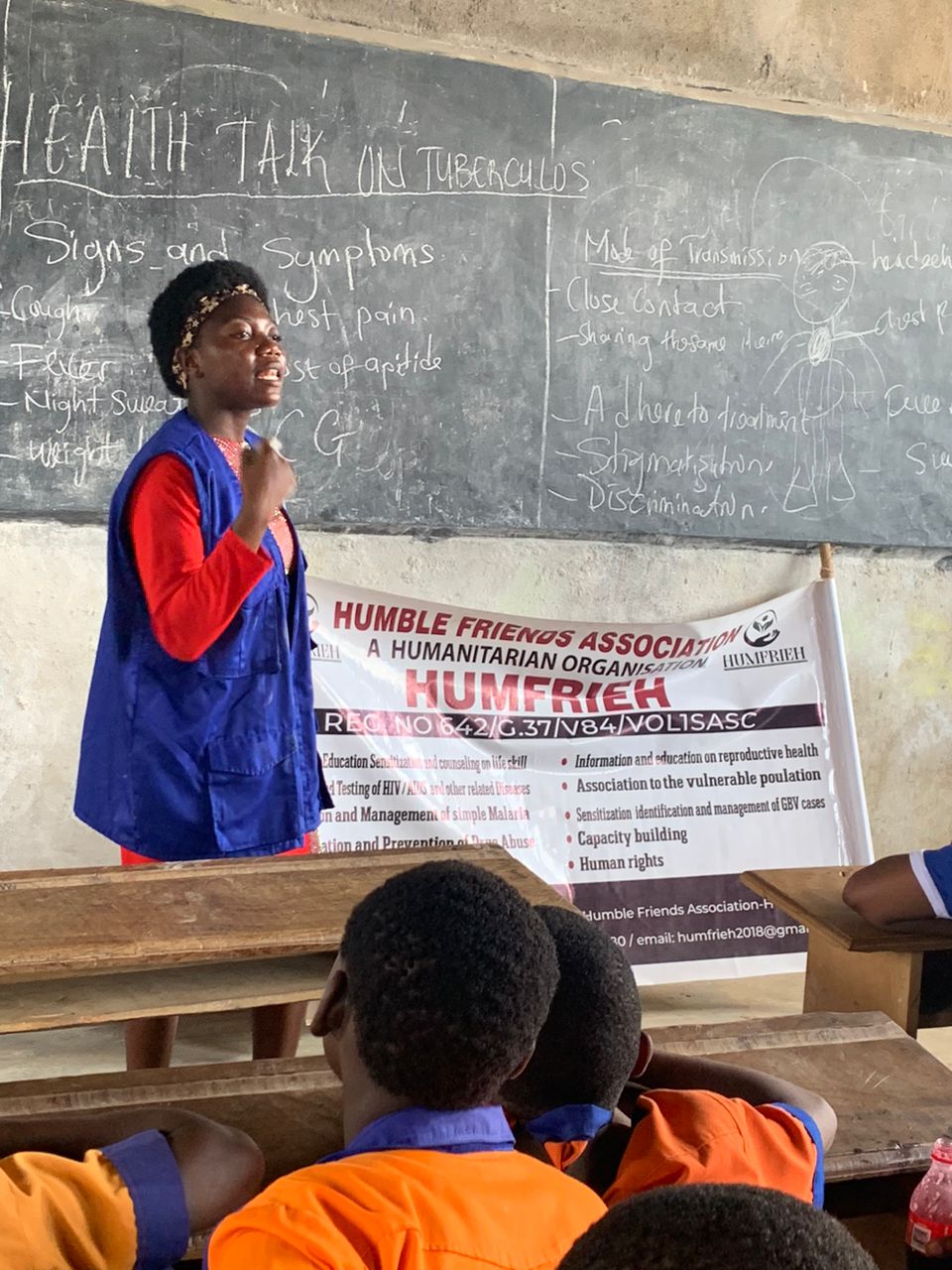
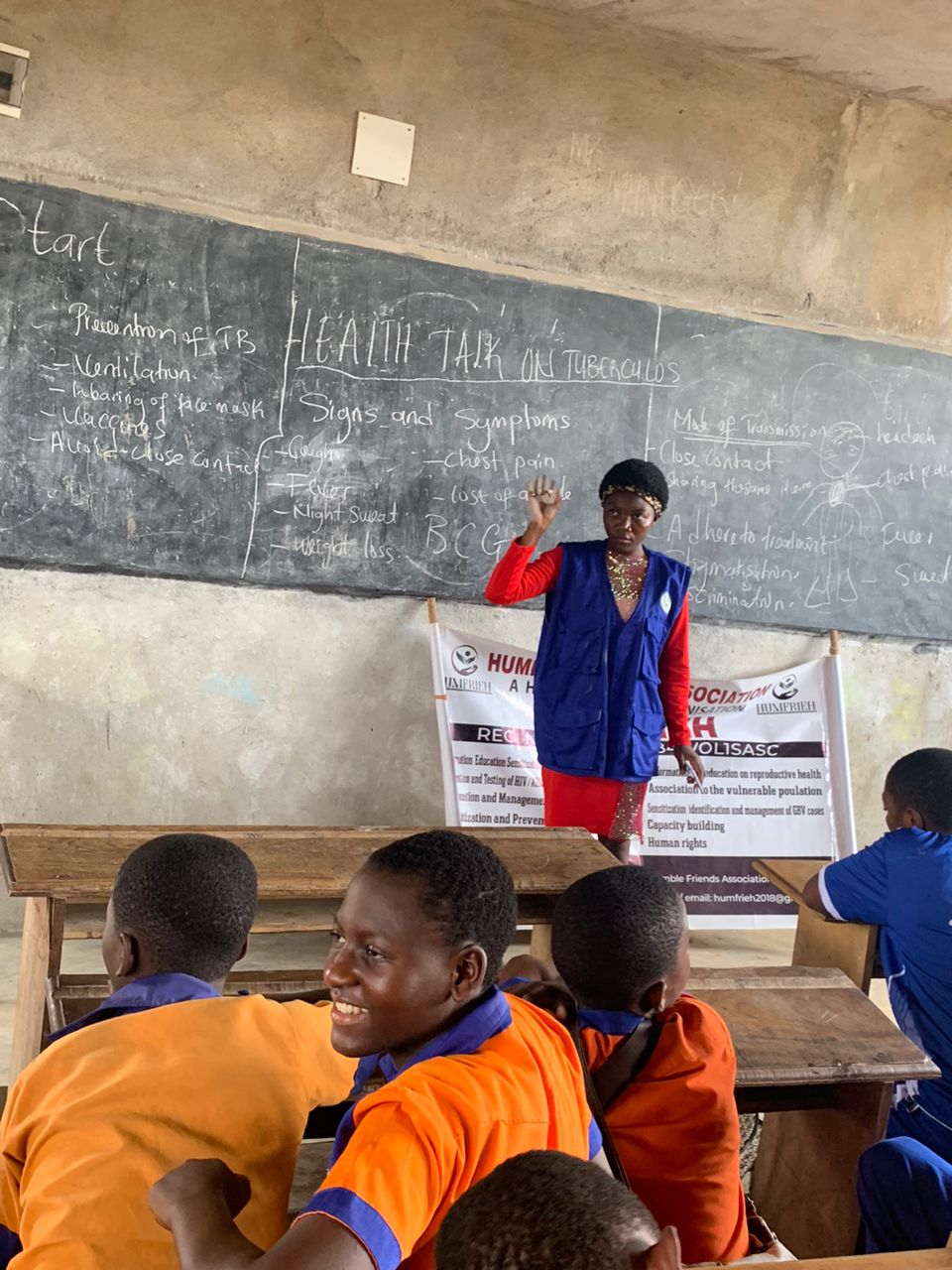
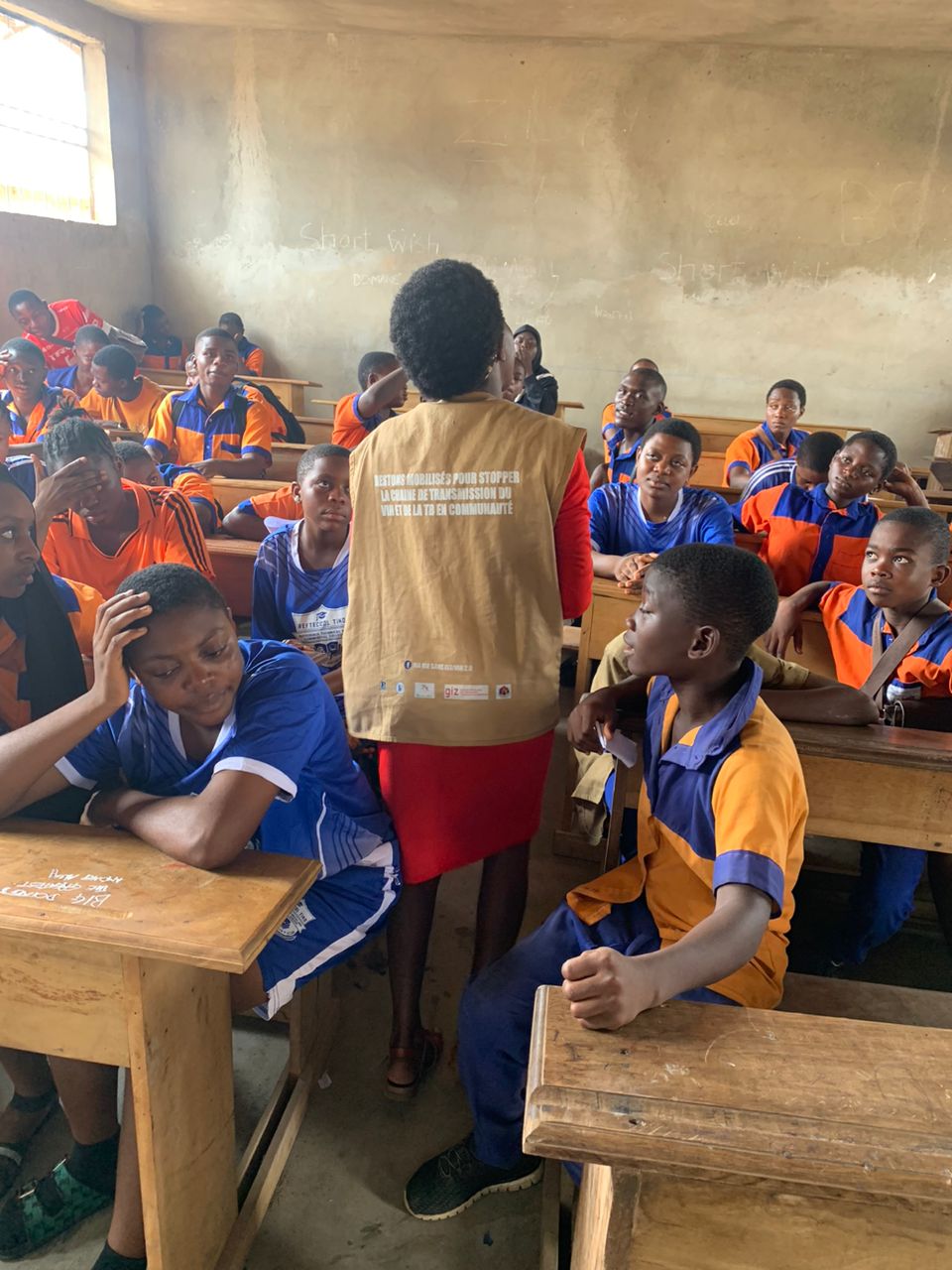
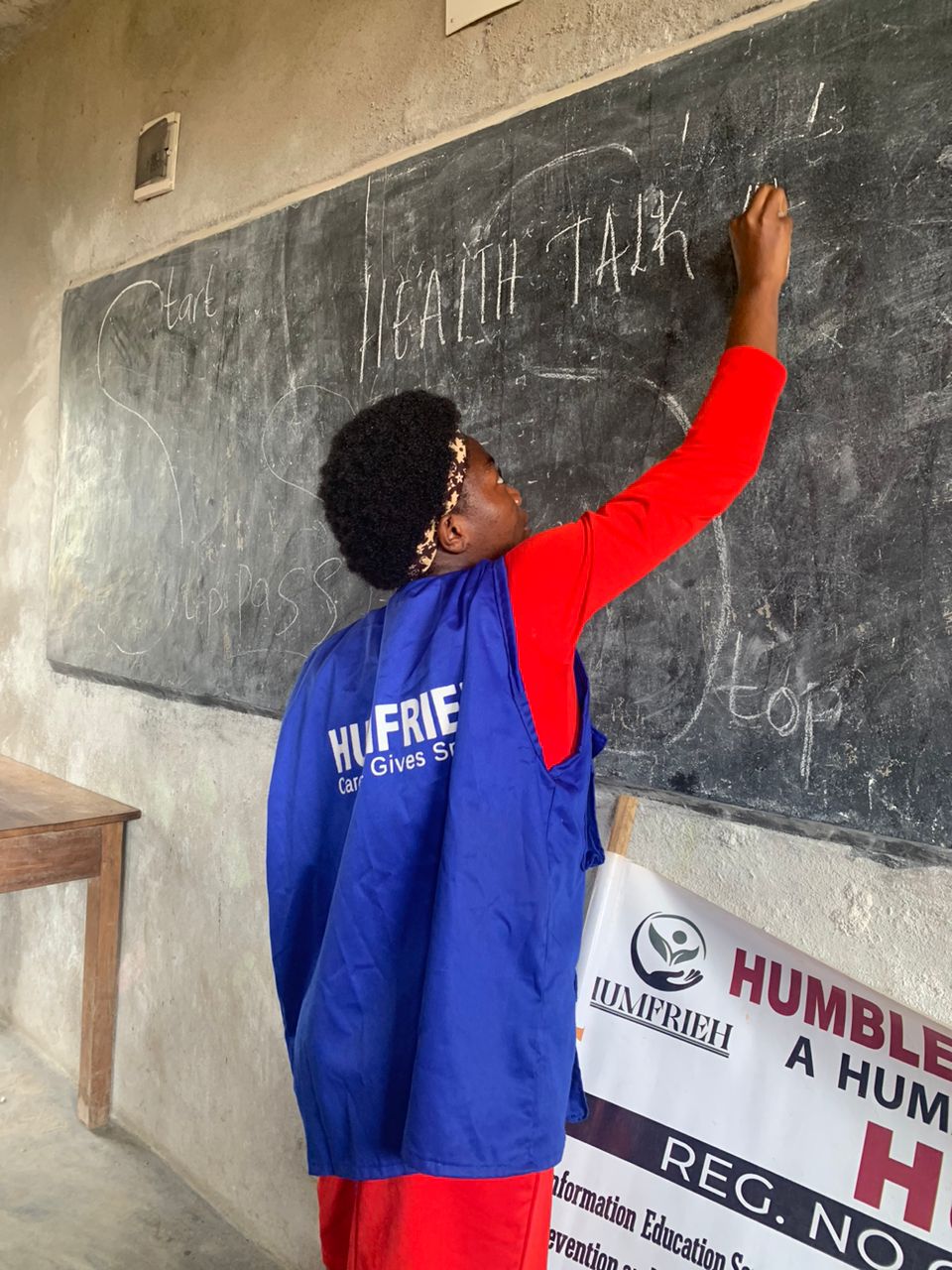
On 19 December 2025, HUMFRIEH staff visited Reference Technical and Commercial College Tiko to deliver a focused health education session on tuberculosis for students. The aim was to raise awareness, dispel myths, and empower young people to recognize TB symptoms early and seek timely care from health workers. The session covered the causes of TB, its signs and symptoms, how it is transmitted, and practical prevention and treatment options in language that students could easily understand.
The activity was designed as an interactive health talk rather than a one‑way lecture, encouraging students to ask questions and share what they had heard about TB in their homes and communities. Misconceptions and myths about TB were clarified, helping to reduce stigma and fear and making it easier for students to talk openly about persistent coughs, weight loss, or other symptoms with adults and health providers.
What actually is tuberculosis?
Tuberculosis is an infectious disease caused by a bacterium called Mycobacterium tuberculosis, which most often attacks the lungs but can also affect other parts of the body such as the lymph nodes, bones, kidneys, and brain. When TB affects the lungs, it is known as pulmonary TB and is the form that most commonly spreads from person to person through the air when someone with active TB coughs, sneezes, speaks, or sings in close contact with others.
Not everyone infected with TB bacteria becomes sick immediately; many people first develop what is called latent TB infection, meaning the bacteria are in the body but kept under control by the immune system and do not cause symptoms or spread to others. If the immune system becomes weakened or stressed, latent TB can progress to active TB disease, which is when symptoms such as a persistent cough, fever, night sweats, and weight loss appear and treatment is urgently needed to prevent complications and reduce transmission.
Why tuberculosis education in schools matters
Evidence from school‑based TB education programs shows that structured awareness sessions significantly improve students’ knowledge of TB symptoms, transmission routes, and the importance of completing treatment. When young people understand that TB is caused by bacteria, spreads mainly through the air in crowded or poorly ventilated spaces, and is curable with the right medicines, they are more likely to seek help early and support friends or relatives to do the same.
Schools are high‑priority settings for TB prevention because students spend many hours in close contact, which can increase the risk of infection when a case goes undetected. By integrating TB health education into school life—through talks like the one organized by HUMFRIEH, clubs, and regular awareness campaigns—teachers and students become advocates who carry accurate information back to their families and neighborhoods.
Key messages shared with students
During the Tiko session, HUMFRIEH focused on key TB messages aligned with international guidance to make the health talk practical and action‑oriented. These messages included:
TB is caused by bacteria (Mycobacterium tuberculosis) that usually affects the lungs but can also affect other parts of the body, and it is one of the leading infectious causes of death worldwide despite being preventable and curable.
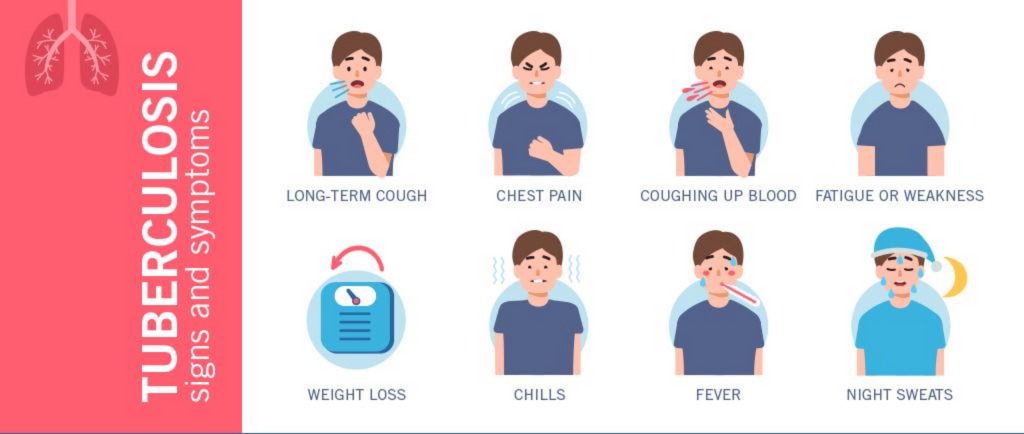
Common TB symptoms include a cough lasting more than two weeks, chest pain, coughing up blood, fever, night sweats, tiredness, and unexplained weight loss, all of which should prompt a visit to a health facility.
TB spreads through the air when someone with active TB of the lungs coughs, sneezes, or talks in close contact, especially in crowded and poorly ventilated settings such as classrooms and dormitories.
TB can be prevented and controlled by covering the mouth when coughing, improving ventilation, reducing overcrowding, getting tested when symptoms appear, and ensuring that anyone diagnosed completes the full course of treatment as prescribed.
By repeating these points in a student‑friendly way and linking them to daily life at school and at home, the health talk helped students connect what they were learning to their own experiences.
Impact of the HUMFRIEH TB session
Research from other countries shows that school‑based TB awareness programs improve knowledge, reduce stigma, and promote earlier care‑seeking among adolescents and their families. The HUMFRIEH session in Tiko reflects these benefits: students gained a basic understanding of TB, reported greater awareness of TB symptoms, and expressed readiness to encourage peers or relatives with persistent coughs to see a health worker.
Crucially, addressing myths—such as beliefs that TB is always caused by curses, only affects certain groups, or cannot be cured—helps shift attitudes from fear and silence to openness and support. When students learn that TB treatment is usually available free of charge through national programs and that completing treatment can cure most cases, they are more likely to speak up early and support others to stay in care.
How school TB talks support global goals
Global TB strategies highlight awareness, early diagnosis, and treatment completion as core pillars for ending the TB epidemic. Campaigns like World TB Day on 24 March each year call on governments, civil society, and communities to raise awareness and tackle the health, social, and economic impacts of tuberculosis.
By organizing TB education sessions at schools, HUMFRIEH contributes directly to these global targets at local level, transforming big goals into concrete action in classrooms and communities. Each informed student becomes a messenger who can recognize symptoms, challenge stigma, and encourage family members to test and treat TB early, helping to reduce transmission and save lives. In this way, a single health talk on tuberculosis can ripple outward to protect a whole community—and bring the world a step closer to ending tuberculosis
How You Can Take Action With HUMFRIEH
Share HUMFRIEH’s Tuberculosis Awareness: School Health Talk 2025 updates and this story on social media, so more people can find reliable information.