
Empowering Change on the International Day of the Girl Child: HUMFRIEH’s Advocacy Against Gender-Based Violence
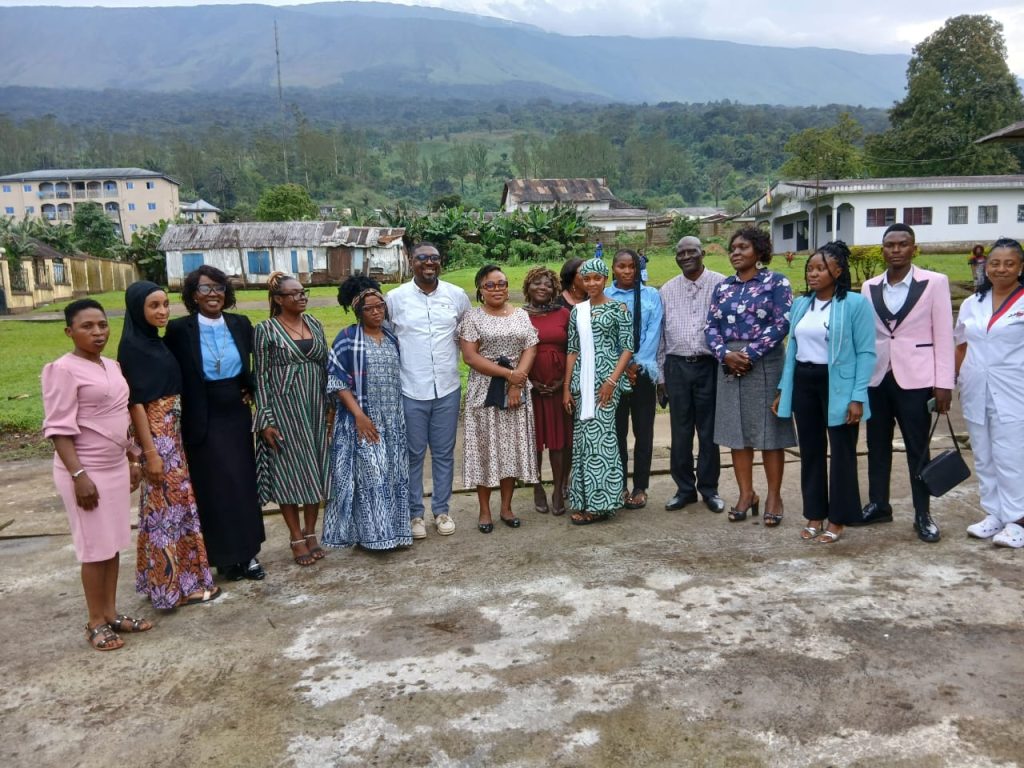
Today, on the International Day of the Girl Child, HUMFRIEH marked this globally significant day by conducting an impactful advocacy session with religious and community leaders focused on the prevention of gender-based violence (GBV) against young girls. This event was held at the Women and Family Empowerment Center, bringing together representatives and youths from MINJEC and MINPROFF to strengthen community-wide efforts for girls’ safety and empowerment.
Understanding the International Day of the Girl Child

The International Day of the Girl Child, observed every year on October 11th, is a day dedicated to highlighting the challenges girls face worldwide and celebrating their potential. It draws attention to issues such as gender-based violence, child marriage, educational inequality, and harmful cultural practices that hinder girls’ rights and well-being. This day serves as a call to action for governments, NGOs, communities, and individuals to uphold girls’ rights and promote gender equality.
The Critical Role of Religious and Community Leaders in Preventing GBV
Religious and community leaders possess profound influence in shaping social norms and values. HUMFRIEH’s advocacy session focused on harnessing this influence positively by educating these leaders about the consequences of GBV and harmful norms that disproportionately affect girls. By understanding the physical, psychological, and social impact of violence, leaders can become powerful advocates for change within their communities.
Their role includes confronting and transforming harmful cultural traditions that perpetuate violence, promoting messages of respect and equality, and supporting survivors of abuse. Engaged leaders inspire their followers, contributing to shifting mindsets and fostering safe environments for girls to thrive.
Highlighting the Activity Carried Out by HUMFRIEH

The session at the Women and Family Empowerment Center was a collaborative platform featuring interactive dialogue, testimony sharing, and strategic planning. With participants from youth organizations like MINJEC and government bodies such as MINPROFF, the session aimed to:
Raise awareness about the direct and long-term consequences of GBV on girls.
Encourage religious and community leaders to publicly oppose harmful practices and discriminatory norms.
Create community action plans for ongoing advocacy and protection of girls.
This active engagement strengthens the link between policy and grassroots efforts, ensuring that prevention strategies are contextually relevant and community-owned.
Importance of Multisectoral Partnerships
HUMFRIEH recognizes that sustainable change requires collaboration across sectors. Partnering with youth groups, government ministries, faith-based organizations, and community institutions amplifies advocacy efforts. These partnerships make it possible to:
Reach wider audiences with targeted educational campaigns.
Mobilize resources for survivor support services and empowerment programs.
Foster environments where girls can safely report abuse and access help.
NGOs should consider formalizing partnerships through memorandums of understanding (MOUs) with like-minded organizations and governmental agencies to enhance coordination and impact.
Ways to Amplify Impact and Community Engagement
For NGOs and community groups aiming to replicate or expand similar activities, consider the following engagement recommendations:
Host Awareness Workshops: Regularly organize workshops with religious leaders and community influencers to sustain dialogue on GBV prevention and girls’ rights.
Youth Involvement: Engage youth representatives actively in planning and advocacy, empowering them to be peer educators and champions for change.
Social Media Campaigns: Utilize hashtags like #DayOfTheGirl and #EndGBV to amplify messages globally and encourage community participation.
Educational Toolkits: Develop culturally appropriate toolkits and videos for leaders to use in sermons, community meetings, and schools.
Monitoring and Reporting: Establish community-based monitoring systems to report cases of GBV promptly and ensure survivors receive necessary support.
Upholding Girls’ Rights Every Day
The International Day of the Girl Child is more than a date on the calendar—it is a vital reminder that girls everywhere deserve protection, respect, and opportunities to flourish. HUMFRIEH’s advocacy session underscores the power of informed religious and community leadership in breaking the cycle of violence and harmful norms.
By fostering partnerships, engaging youth, and strengthening community awareness, NGOs can play a transformative role in creating safer spaces and ensuring girls’ rights are realized. HUMFRIEH invites all stakeholders to join in this ongoing mission to elevate voices, protect futures, and champion gender equality on this important day and every day.