Introduction
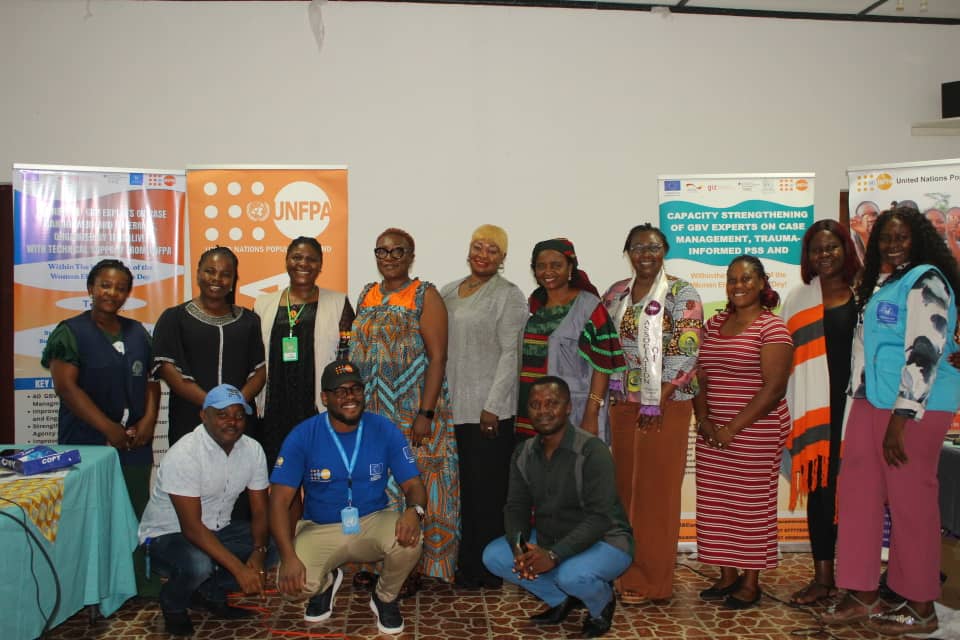
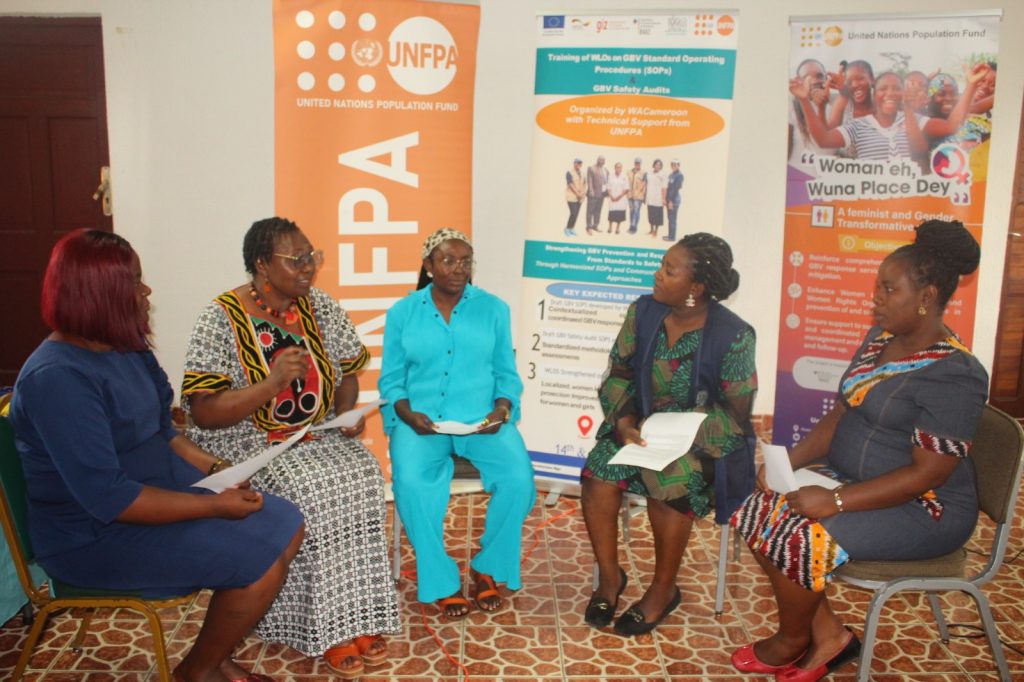
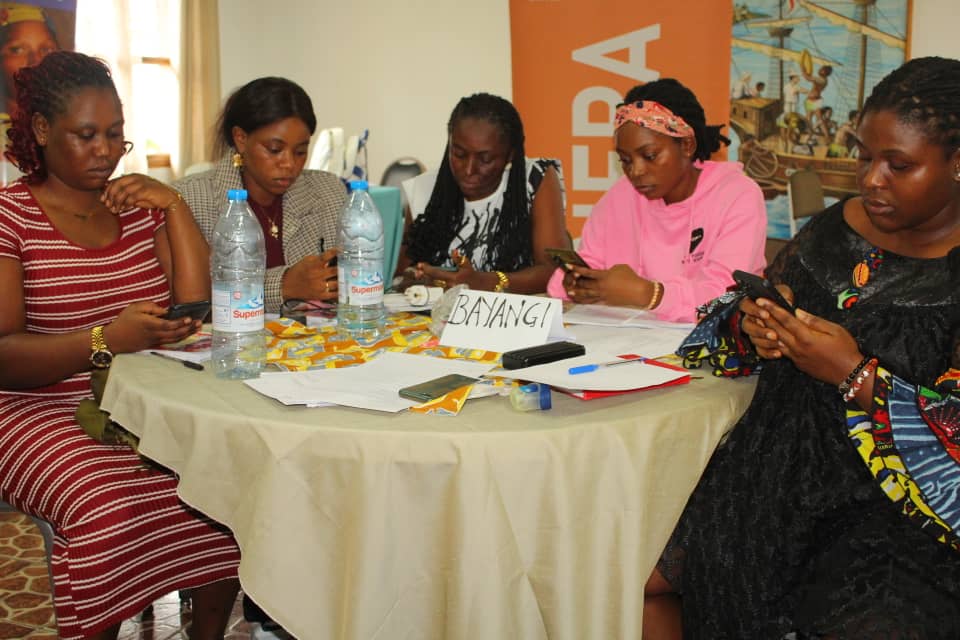
Strengthening GBV case management training in Cameroon initiatives is essential to ensuring survivors of gender-based violence receive ethical, confidential, and survivor-centered support. From 24–28 June 2026, HUMFRIEH proudly participated in the Five-Day Gender-Based Violence (GBV) Case Management Training (Cohort 2) held at Capitol Hotel in Buea under the “Eh Woman Eh! Wuna Place Dey” project.
Organized by TeenAlive in partnership with WACameroon, with technical support from UNFPA and funding from the European Union, German Cooperation, BMZ, and GIZ, the training strengthened the knowledge and practical skills of humanitarian organizations working to prevent and respond to gender-based violence across Cameroon.
As an organization committed to improving community health, protecting vulnerable populations, and promoting evidence-based interventions, HUMFRIEH continues investing in professional development to ensure survivors receive quality services grounded in dignity, respect, and human rights.
Why This Activity Matters
Gender-based violence remains one of the most pressing public health and human rights challenges affecting women, girls, children, and vulnerable populations worldwide. Survivors often face barriers including stigma, limited access to specialized services, fear of reporting, and inadequate psychosocial support.
Effective GBV case management equips frontline workers with the knowledge and practical tools needed to respond safely, confidentially, and compassionately while respecting survivors’ choices.
Capacity-building initiatives like this training contribute to:
- stronger referral systems
- improved survivor protection
- ethical case management
- coordinated humanitarian response
- enhanced psychosocial support
- better protection of children and adolescents
For organizations like HUMFRIEH, investing in staff capacity ultimately improves the quality of services delivered within communities.
What HUMFRIEH Did
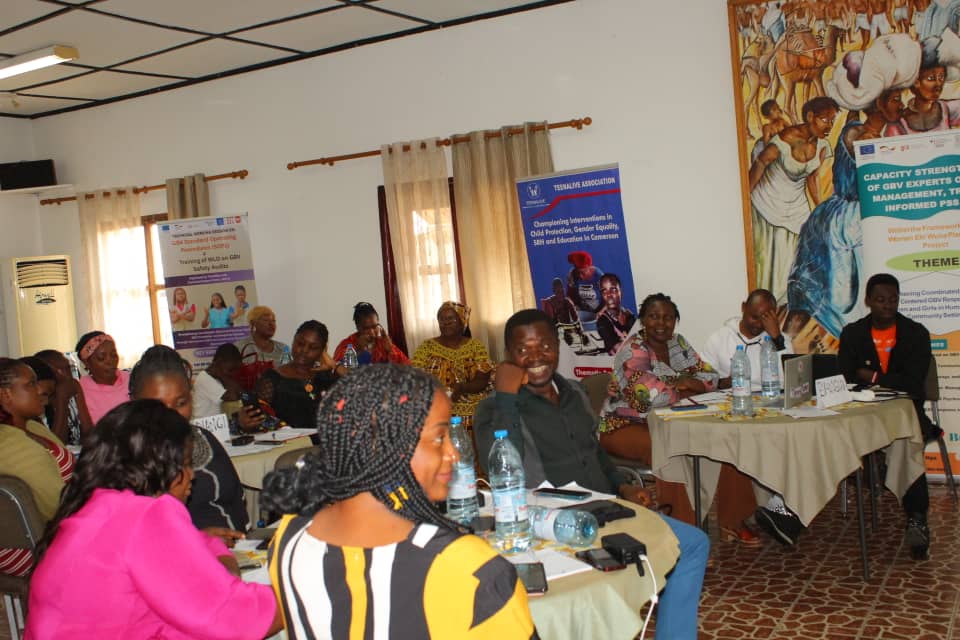
HUMFRIEH actively participated in the five-day intensive training alongside representatives from 25 organizations working throughout the Northwest and Southwest Regions of Cameroon.
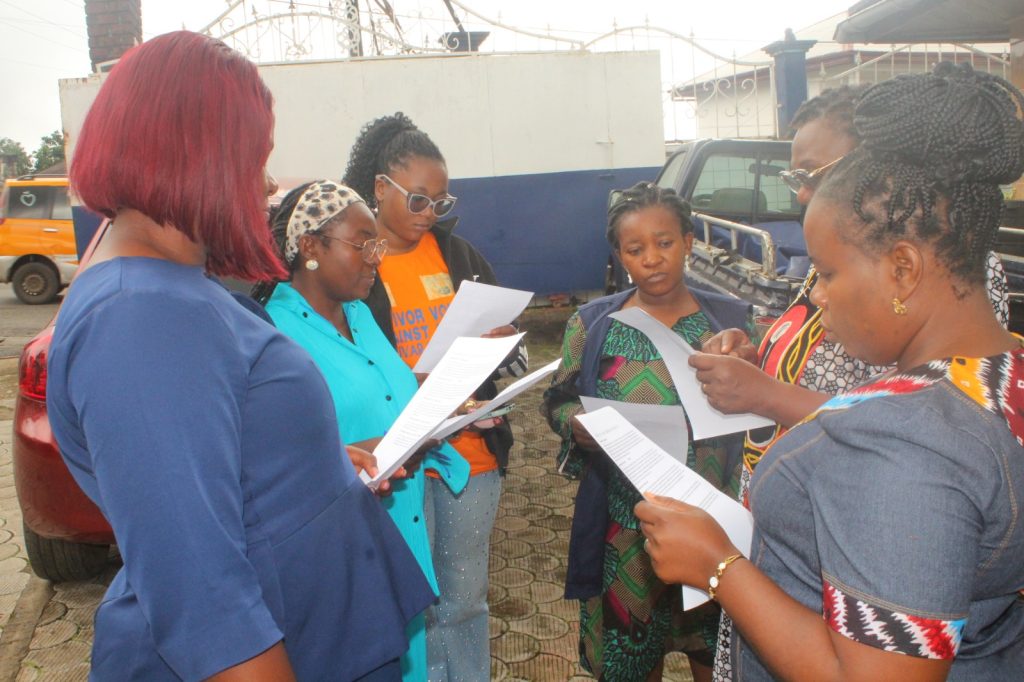
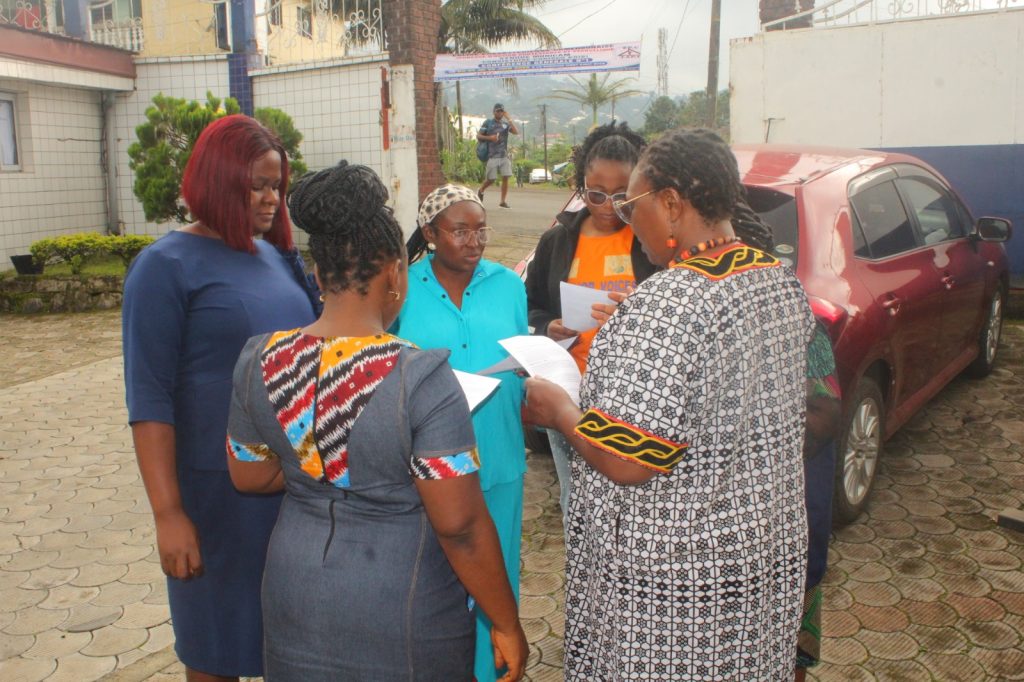
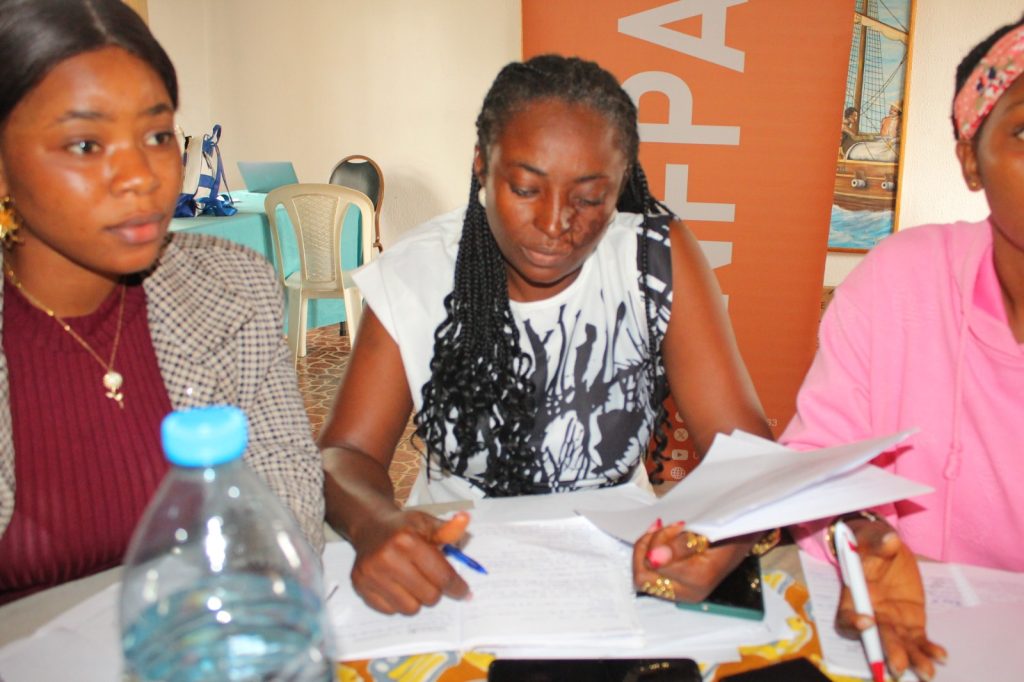
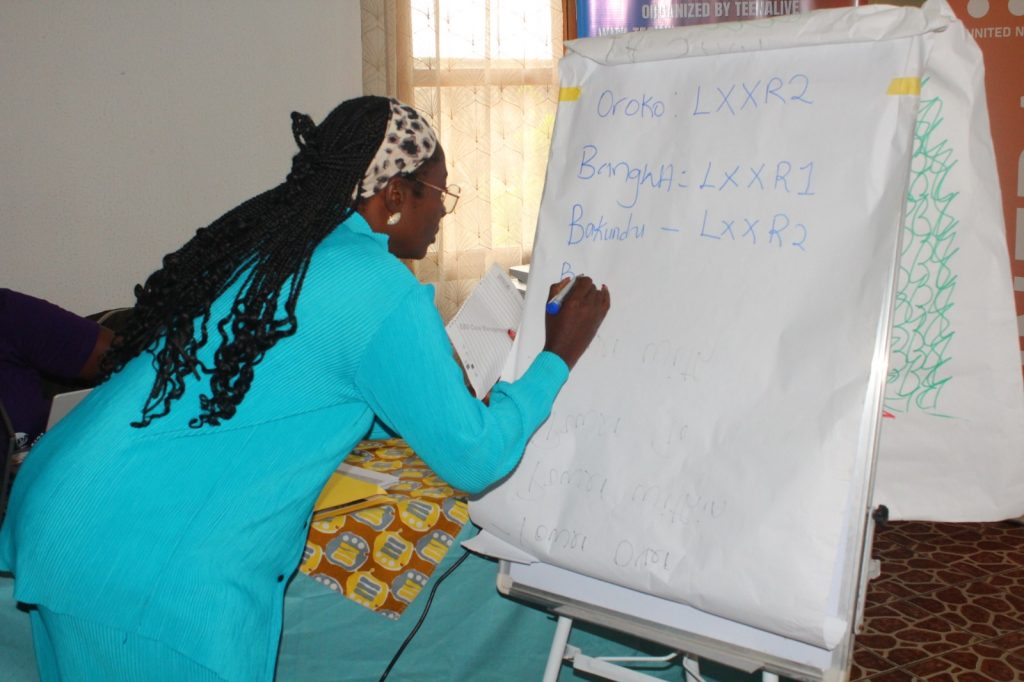
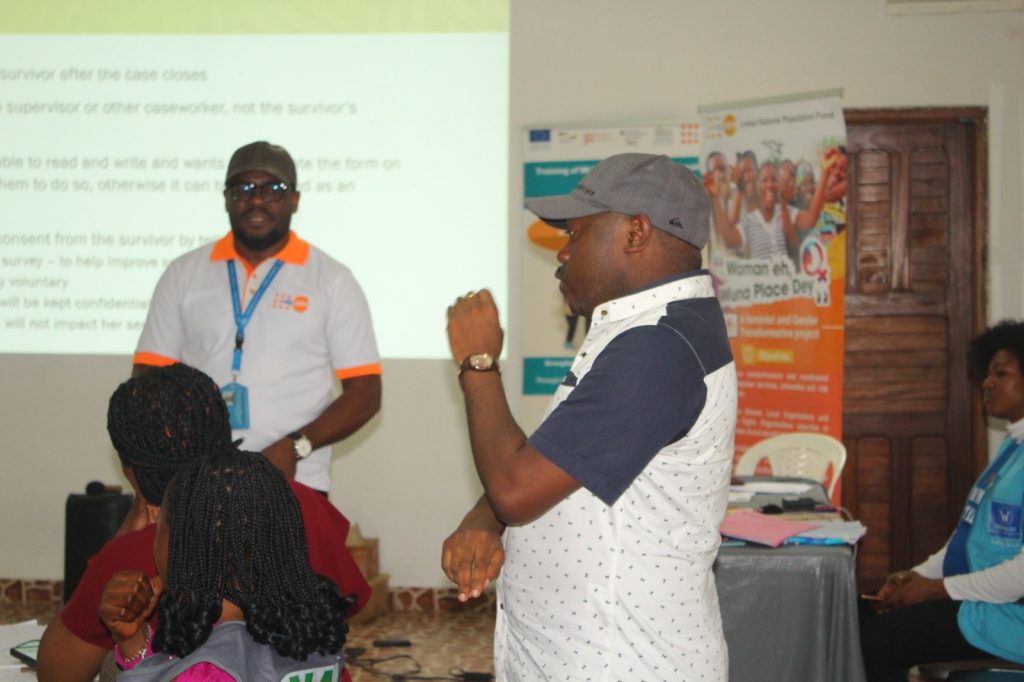
The programme combined classroom learning with highly practical exercises that reflected real-life case management situations.
Participants explored both theoretical foundations and practical application of survivor-centred approaches while strengthening competencies in:
- gender concepts
- power dynamics
- causes and consequences of GBV
- communication skills
- survivor-centred principles
- ethical decision-making
- psychological first-line support
- safety planning
- GBV Information Management System (GBVIMS)
- Intimate Partner Violence (IPV)
- child protection
- adolescent girls’ protection
- male survivor support
- child and early marriage prevention
- suicide risk response
- staff wellbeing and self-care
Interactive methodologies—including role plays, simulations, group discussions, and case studies—enabled participants to practice real-world scenarios that strengthened confidence and competence.
Key Activities Conducted
- Participated in five days of intensive GBV Case Management Training
- Strengthened survivor-centred case management skills
- Learned ethical principles for confidential case handling
- Practiced safety planning techniques
- Improved communication skills for survivor engagement
- Studied GBVIMS documentation and information management
- Enhanced knowledge of Intimate Partner Violence response
- Improved child protection and adolescent safeguarding approaches
- Strengthened referral pathway coordination
- Practiced psychological first-line support
- Learned suicide risk assessment and response
- Explored case closure procedures
- Participated in simulations and practical case exercises
- Discussed staff wellbeing and self-care strategies
Impact Achieved
The training produced significant professional development outcomes for participating organizations.
Key Statistics
- Training Duration: 5 days
- Dates: 24–28 June 2026
- Training Cohort: Cohort 2
- Participating Organizations: 25
- Venue: Capitol Hotel, Buea
Key Outcomes
The training strengthened participants’ ability to deliver ethical and survivor-centred services by improving knowledge of:
- GBV case management
- survivor rights
- psychosocial support
- safety planning
- referral coordination
- GBVIMS
- child protection
- adolescent protection
- male survivor support
- staff self-care
Participants also strengthened collaboration across humanitarian organizations serving communities throughout the Northwest and Southwest Regions of Cameroon.
For HUMFRIEH, the knowledge gained will directly contribute to improved community programming and more effective support for survivors of gender-based violence.
Community Voices
“This training has strengthened our confidence to respond more effectively to survivors while ensuring dignity, confidentiality, and respect remain at the centre of every intervention.”
— HUMFRIEH participant
“Collaboration among organizations is essential to building stronger referral systems and improving access to quality GBV services.”
— Training facilitator
How This Supports HUMFRIEH’s Mission
HUMFRIEH’s mission extends beyond disease prevention to strengthening community resilience through evidence-based health and social interventions.
Participating in this training directly supports the organization’s commitment to:
- community health education
- psychosocial support
- referral services
- public health advocacy
- protection of vulnerable populations
- community development
- evidence-based programming
- humanitarian coordination
By continuously investing in staff capacity, HUMFRIEH ensures communities benefit from services that meet international standards of quality, ethics, and professionalism.
Looking Ahead
HUMFRIEH will continue integrating survivor-centred approaches into its community interventions while strengthening partnerships that improve access to comprehensive GBV response services.
The organization also plans to:
- strengthen community awareness
- improve referral networks
- support vulnerable women and children
- promote gender equality
- build local institutional capacity
- collaborate with humanitarian partners
Continuous learning remains central to HUMFRIEH’s approach to improving health, protection, and community wellbeing across Cameroon.
Conclusion
The Five-Day GBV Case Management Training provided an important opportunity for HUMFRIEH to strengthen its technical capacity in delivering quality survivor-centred services.
Through collaboration with national and international partners, the organization has enhanced its ability to respond ethically, professionally, and compassionately to survivors of gender-based violence.
As HUMFRIEH continues investing in staff development and evidence-based programming, communities across Cameroon stand to benefit from stronger protection systems, improved psychosocial support, and more effective GBV prevention and response services.
Call to Action
Gender-based violence requires collective action.
Whether you are an individual, donor, institution, or development partner, your support can help strengthen survivor-centred services and build safer communities.
You can support HUMFRIEH by:
- Becoming a volunteer
- Partnering with our programs
- Sponsoring community initiatives
- Making a donation
- Following HUMFRIEH for updates on our impact
Together, we can promote dignity, equality, and protection for every survivor.
FAQ
1. What is GBV Case Management Training?
GBV Case Management Training equips frontline workers with the skills needed to safely, ethically, and confidentially support survivors of gender-based violence.
2. Why did HUMFRIEH participate in the training?
HUMFRIEH participated to strengthen staff capacity, improve survivor-centred services, and enhance community protection initiatives across Cameroon.
3. Who organized the training?
The training was organized by TeenAlive in partnership with WACameroon, with technical support from UNFPA and funding from the European Union, German Cooperation, BMZ, and GIZ.
4. Who benefited from the training?
Direct beneficiaries included HUMFRIEH staff and representatives from 25 organizations, while indirect beneficiaries include GBV survivors, women, girls, children, and vulnerable communities.
5. How does this training improve GBV response?
It strengthens case management skills, referral coordination, psychological support, child protection, GBVIMS knowledge, and survivor-centred service delivery.