
Introduction
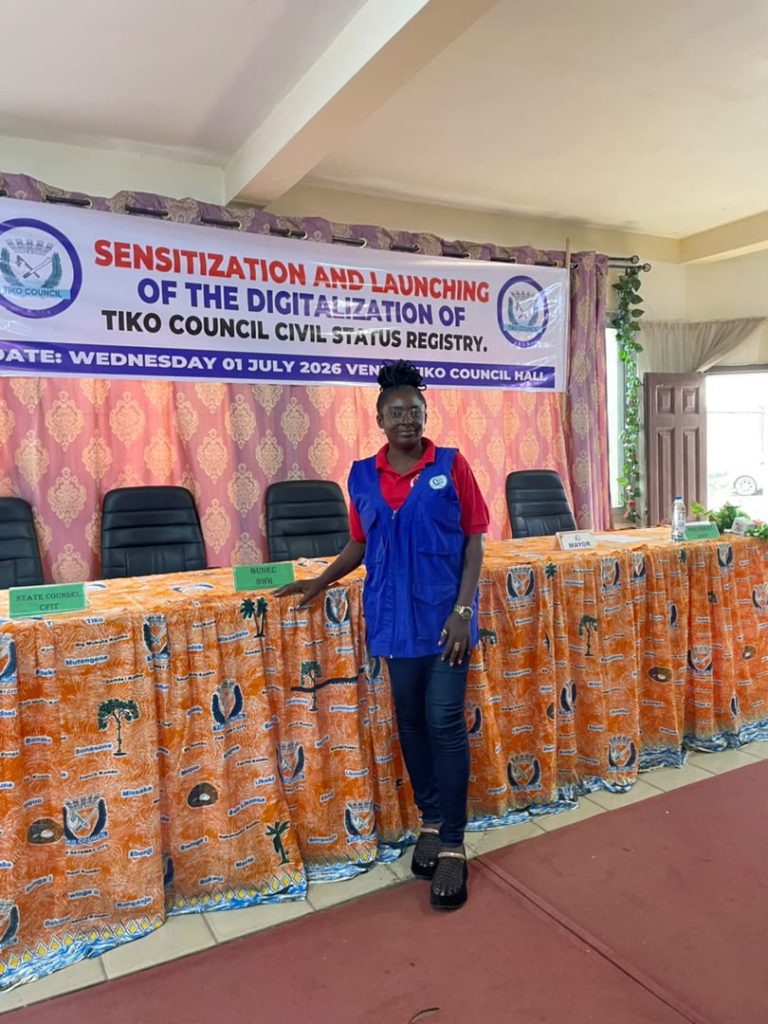
The launch of the Tiko Council Digital Civil Registration system represents a significant milestone in Cameroon’s journey toward digital governance and improved public service delivery. Officially unveiled during a sensitization and launch ceremony at the Council Hall in Tiko, the initiative introduces a faster, more reliable, and accessible way for citizens to obtain essential civil status documents, including birth certificates.
As an organization committed to strengthening communities through public health education, advocacy, and equitable access to essential services, HUMFRIEH recognizes that legal identity and effective civil registration systems are foundational to healthier, more inclusive communities. Access to a birth certificate is more than an administrative process—it is often the first step toward accessing healthcare, education, social protection, and other fundamental rights.
The digital transformation of the Civil Status Registry demonstrates how technology, strong partnerships, and committed local leadership can improve governance while directly benefiting citizens across the Tiko Municipality.
Why This Activity Matters
Civil registration is one of the cornerstones of national development. Every birth certificate issued represents an individual whose identity is officially recognized, enabling access to healthcare services, education, legal protection, and numerous government programs.
For many families, lengthy administrative procedures, paperwork, and delays have historically made obtaining civil documents challenging. These barriers can have lasting consequences, particularly for children who require birth certificates to enroll in school or access essential healthcare services.
Digital civil registration addresses many of these challenges by improving efficiency, reducing waiting times, enhancing record accuracy, and minimizing administrative errors.
From a public health perspective, organizations such as HUMFRIEH understand that strong civil registration systems also contribute to better health planning, disease surveillance, immunization tracking, and more effective delivery of community health interventions. Reliable population records help governments and health partners allocate resources where they are most needed while strengthening long-term development planning.
The launch of this digital platform therefore represents not only an administrative innovation but also an investment in the well-being and future of the people of Tiko.
What Happened During the Launch
The official launch ceremony brought together a diverse group of stakeholders, demonstrating the broad support behind the modernization of civil registration services.
Participants included:
- Administrative authorities
- Judicial officials
- Security services
- Health professionals
- Education stakeholders
- Traditional rulers
- Religious leaders
- Community representatives
- Development partners
- Civil Status Registry personnel
Representing the Mayor of Tiko Council, the Second Deputy Mayor encouraged residents to embrace the newly introduced digital system, emphasizing that the era of lengthy manual procedures is ending.
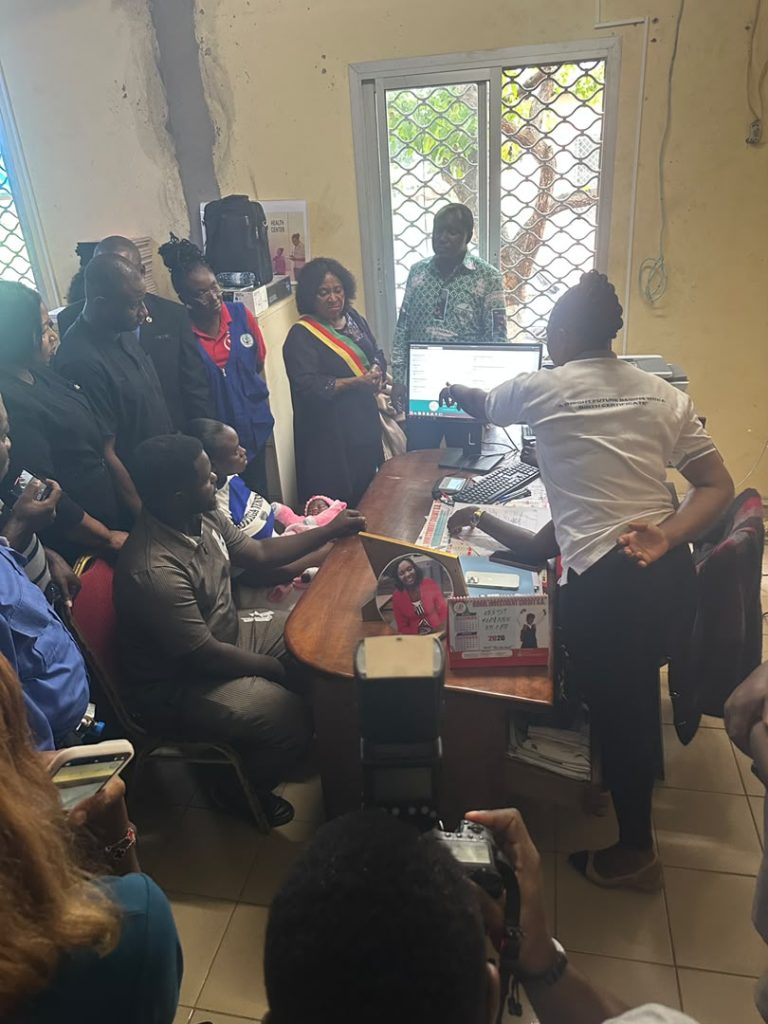
One of the most remarkable improvements introduced through the new platform is the ability to issue a birth certificate in less than five minutes, dramatically reducing processing time while improving efficiency and convenience for citizens.
During the ceremony, the South West Regional Chief of the National Civil Status Registration Office (BUNEC) explained that the digitalization initiative modernizes civil registration services without altering the country’s legal framework. Instead, it enhances service delivery while maintaining compliance with existing laws governing civil status registration.
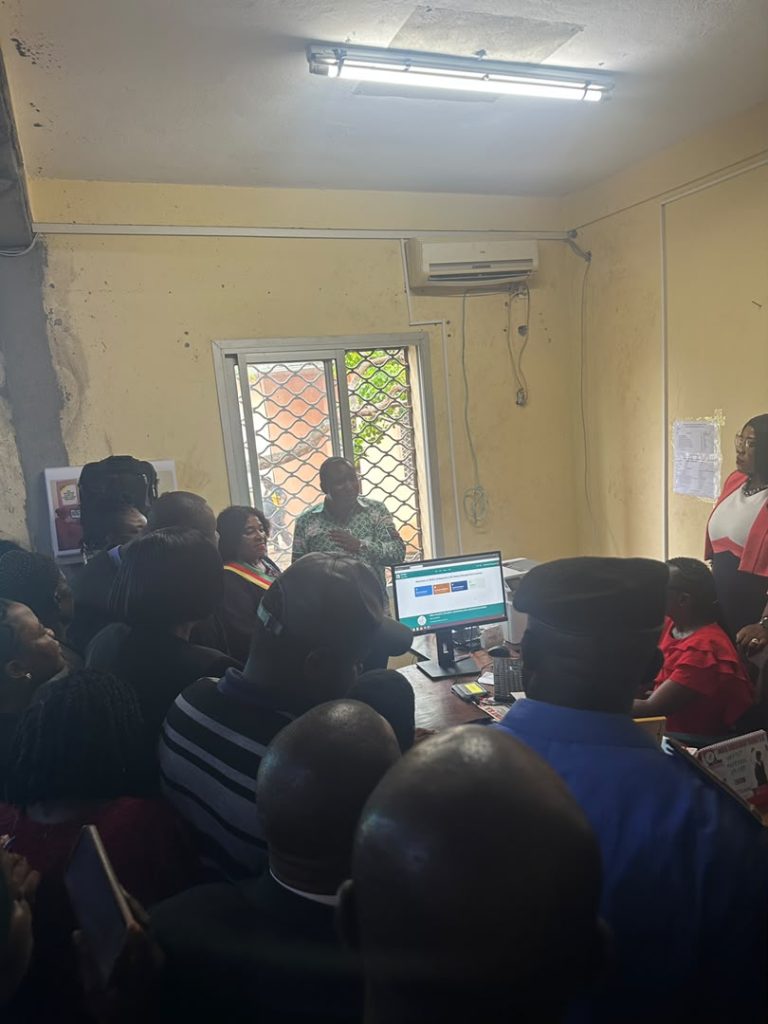
The event also featured a live demonstration of the platform, during which several digital birth certificates were successfully generated, giving attendees firsthand experience of the system’s speed and effectiveness.


A Strong Partnership Driving Innovation
The successful implementation of the digital registry reflects the importance of collaboration among government institutions and development partners.
The initiative was implemented through the combined efforts of:
This partnership demonstrates how coordinated investment in digital transformation can produce tangible improvements in local governance and public service delivery.
For organizations like HUMFRIEH, these partnerships illustrate the value of multi-sector collaboration in addressing broader community development challenges. Sustainable progress often depends on governments, development agencies, civil society organizations, and local communities working together toward shared goals.
Why Digital Civil Registration Matters for Community Health
Although digital civil registration is primarily an administrative reform, its impact extends far beyond documentation.
A legally registered birth often serves as the gateway to:
- Childhood immunization programs
- Maternal and child healthcare services
- School enrollment
- Social protection initiatives
- National identification systems
- Future employment opportunities
- Legal protection of children’s rights
Communities with strong civil registration systems are also better positioned to support effective health planning and disease prevention initiatives.
As an organization dedicated to HIV prevention, tuberculosis prevention, psychosocial support, community health education, and referral services, HUMFRIEH recognizes that stronger public institutions ultimately contribute to stronger health systems.
Digital governance strengthens the foundation upon which many health and development interventions depend.
Impact Achieved
The launch of the Digital Civil Status Registry has already demonstrated measurable improvements.
Key Outcomes
- Official launch of the Digital Civil Status Registry.
- Tiko Council designated as one of the pilot councils implementing digital civil registration in the South West Region.
- Birth certificate processing time reduced to under five minutes.
- Successful live production of multiple digital birth certificates during the launch ceremony.
- Broad participation from government institutions, healthcare professionals, education stakeholders, traditional authorities, religious leaders, security services, and development partners.
- Strengthened collaboration between local government and international development partners.
These achievements illustrate the practical benefits of digital government initiatives and their potential to improve the everyday experiences of citizens seeking essential public services.
Community Voices
Community members and institutional stakeholders welcomed the introduction of the digital registry as a positive step toward improving service delivery.
Many participants expressed optimism that the shorter processing times will reduce unnecessary delays while making civil registration more convenient for families.
Administrative officials highlighted the platform’s potential to improve transparency, record management, and operational efficiency within the Civil Status Registry.
Development partners reaffirmed their commitment to supporting innovations that strengthen local governance, improve accountability, and enhance citizens’ access to essential public services.
The live demonstration further increased public confidence by showing that digital birth certificates could be produced quickly and efficiently during the event itself.
How This Supports HUMFRIEH’s Mission
Although HUMFRIEH was not an implementing partner in this initiative, the organization strongly supports efforts that strengthen community systems and improve equitable access to essential services.
HUMFRIEH’s mission focuses on:
- HIV prevention
- Tuberculosis prevention and care
- Community health education
- Counseling and psychosocial support
- Referral services
- Active case finding
- Public health advocacy
- Community development
Effective civil registration systems complement these priorities by ensuring that individuals can more easily access healthcare, education, and social services throughout their lives.
By highlighting initiatives such as the Tiko Council Digital Civil Registration program, HUMFRIEH continues to advocate for innovations that improve community well-being and support sustainable development across Cameroon.
Looking Ahead
As one of the pilot councils implementing digital civil registration in the South West Region, Tiko Council is setting an important example for other municipalities seeking to modernize public services.
Continued investment in digital infrastructure, staff training, community awareness, and institutional collaboration will be essential for sustaining the long-term success of the initiative.
Looking ahead, broader adoption of similar digital systems across Cameroon has the potential to improve efficiency, increase transparency, and expand access to essential civil registration services for millions of citizens.
For HUMFRIEH, such innovations align with the broader vision of resilient communities where every individual has access to the services and opportunities needed to live healthier, more productive lives.
Conclusion
The launch of the Tiko Council Digital Civil Registration system marks a transformative chapter in public service delivery within the South West Region of Cameroon.
By enabling birth certificates to be issued in less than five minutes, strengthening collaboration among government institutions and development partners, and demonstrating the practical benefits of digital governance, the initiative has established a new benchmark for efficient civil registration services.
While the project focuses on administrative modernization, its broader impact extends to healthcare, education, legal identity, and community development—areas that closely align with HUMFRIEH’s commitment to improving lives through advocacy, health promotion, and sustainable development.
As digital transformation continues across Cameroon, initiatives like this reinforce the importance of innovation, collaboration, and citizen-centered governance in building stronger and healthier communities.
Call to Action
Residents of Tiko Municipality are encouraged to take full advantage of the Digital Civil Status Registry by registering births promptly and obtaining essential civil status documents through the modernized system.
HUMFRIEH also invites individuals, organizations, and development partners to join its mission of strengthening communities through public health advocacy, education, and sustainable development.
You can support HUMFRIEH by becoming a volunteer, partnering with the organization, sponsoring community initiatives, or making a donation to help expand life-changing programs across Cameroon.
Together, we can build healthier communities, strengthen public institutions, and create lasting impact for future generations.
Frequently Asked Questions (FAQ)
1. What is the Tiko Council Digital Civil Registration initiative?
The Tiko Council Digital Civil Registration initiative is a modern electronic civil status system introduced to improve the speed, efficiency, and accessibility of birth registration and other civil registration services. The platform significantly reduces processing time while maintaining compliance with Cameroon’s legal framework.
2. How long does it now take to obtain a birth certificate in Tiko?
With the new Digital Civil Status Registry, a birth certificate can now be processed and issued in less than five minutes, replacing the lengthy manual procedures previously used.
3. Who implemented the Digital Civil Registration project?
The initiative was implemented through the collaboration of Tiko Council and the National Civil Status Registration Office (BUNEC), with technical and financial support from GIZ, KOICA PAMEC, and the United Nations Development Programme (UNDP).
4. Why is digital civil registration important for community development?
Digital civil registration improves access to legal identity, healthcare, education, social services, and government programs. It also strengthens governance, enhances public service delivery, and supports better planning for health and development initiatives.
5. How does this initiative align with HUMFRIEH’s mission?
Although HUMFRIEH was not an implementing partner, the organization supports initiatives that strengthen public systems, improve access to essential services, promote community development, and contribute to healthier, more resilient communities. Digital civil registration complements HUMFRIEH’s advocacy for equitable access to healthcare, social protection, and sustainable development.